

In short
- Start with the goal: improving for a few weeks is not the same as spending a season or studying and playing.
- Ask about the people: who coaches, with what licence, and who looks after the player off the pitch.
- Get the details in writing: schedules, accommodation, schooling, insurance and what the programme includes.
- Be wary of promised contracts. A serious academy talks about development, not guaranteed signings.
01Before you search: what the player needs
There are many football academies in Spain, and almost all of them say the same thing on their websites. The best way to compare them is to know first what the player is looking for, because each goal calls for a different programme.
- A few weeks
- To improve specific areas, get to know the Spanish methodology or have coaches assess the player's level. Here, the quality of the training is what counts.
- A season
- To adapt to a different pace of play, a different language and a different level of demand. Beyond the training, accommodation, supervision and matches all count.
- Study and play
- For players who want to keep developing without giving up their studies. Here, the school and the timetable matter as much as the football.
02The coaches
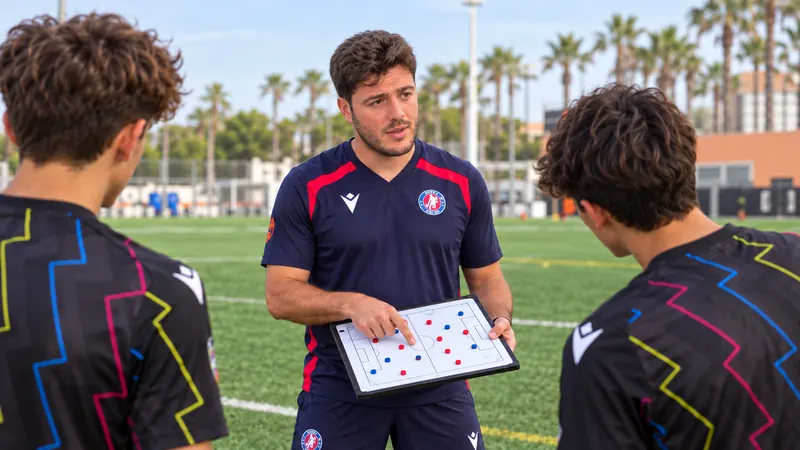
This is the first thing to look at. An academy is, above all, the people who coach the player every day.
- Licence: ask what licence each coach holds. UEFA licences are, from entry level upwards, the C, the B, the A and the Pro.
- Continuity: check that the people on the website are the ones who actually coach, and that the player will always have the same coaches.
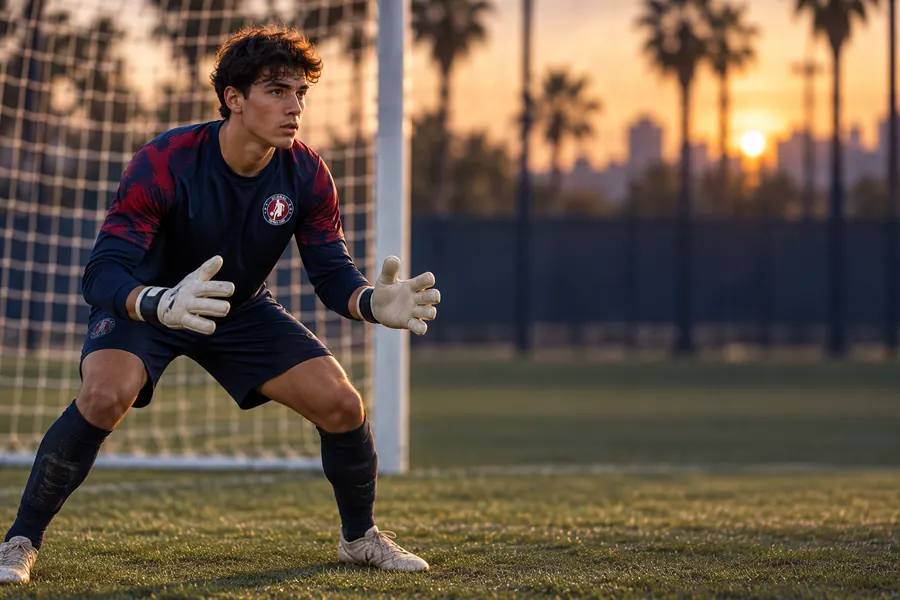
- Specialists: if the player is a goalkeeper, ask whether there is a goalkeeper coach and how many specific sessions they will have.
03How they train
Ask them to walk you through a normal week of training. A good answer is specific: how many sessions there are, how long they last, what each one works on and how it is adapted to the player.
- Group size: with small groups the coach can correct each player. In large groups, the player gets fewer touches of the ball.
- Follow-up: ask whether the player will receive a report on what they have improved and what they still need to work on.
- The methodology: in Spain, training is almost always done with the ball and with decisions to make, as we explain in our guide to Spanish football methodology.
04Where they live and who looks after them
For parents, this is the most important part. A young player far from home needs more than a good coach.
- Where does the player sleep, and how many others share the room?
- Who supervises them at night and at weekends?
- Who prepares the meals, and can they be adapted to allergies or a specific diet?
- How do they get to training, school and matches every day?
- What happens if they fall ill or get injured, and what medical insurance do they need?
- How and how often will parents hear from the academy?
If you can, visit the facilities or ask for a video call to see them. A serious academy will be happy to show you.
05Schooling
Very few players end up making a living from football, and those who do also need an education. On long stays, school is not an extra.
- Where they study: which school, in what language and on what timetable.
- What qualification they get: and how those studies are recognised back home.
- How it fits with football: training should respect class and study time.
06Matches
Training without competing falls short on a long stay. Ask whether the player will play matches, against whom and how often.
Bear in mind that registering a foreign minor with a federation comes with conditions, because FIFA protects minors in international transfers. A serious academy will explain what is and isn't possible in the player's case. We cover it in our guide how to play soccer in Europe from Latin America.
07Warning signs
- You're guaranteed a contract or a trial at a professional club if you sign up.
- They won't tell you who coaches or let you talk to the coaches.
- The answers are vague when you ask about the residence, supervision or schooling.
- You're rushed with places about to run out or one-day discounts.
- Nothing is put in writing: not the programme, the schedules or what's included.
08The 10 questions
To tick off as you talk to each academy:
09Our answers
These are Global Football Total's answers to the most important questions:
- Coaches: all UEFA-licensed, with a 100% Spanish methodology. Meet them on our staff page.
- Groups: 4 to 8 players in technical training and 3 to 5 at the goalkeeper academy.
- Residence: 24-hour supervision and daily transport to training and matches.
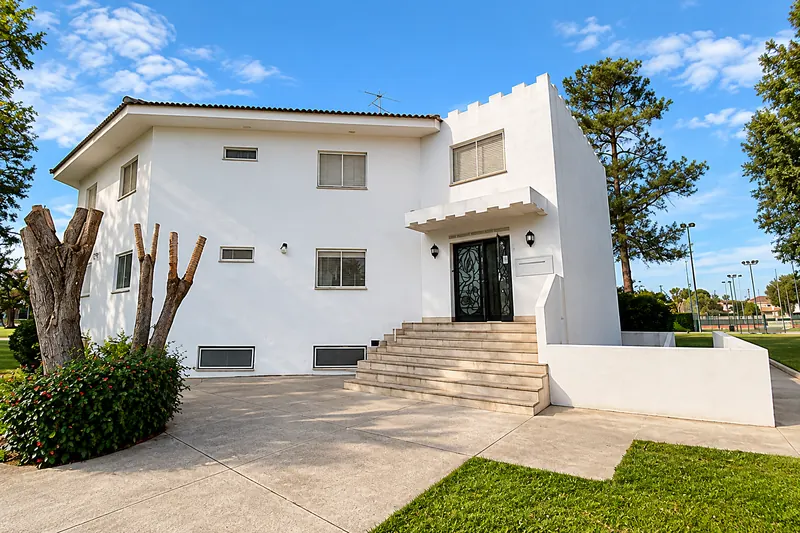
- Facilities: the Iale Sport Center in L'Eliana and the Patacona CF Academy in Alboraya (Valencia). See them on our facilities page.
- Programmes: from 1 week to a full season, depending on the player's age and goal.
10Frequently asked questions
What matters most when choosing a soccer academy in Spain?
The people: who coaches the player every day and who looks after them off the pitch. Then, that the programme fits their goal and that schooling isn't left aside.
Can an academy guarantee that a player will sign for a club?
No. No academy can guarantee a contract, least of all for minors, because FIFA restricts their international transfers. What an academy can do is develop the player and open up opportunities.
What is the best age to come to an academy in Spain?
It depends on the programme. Short stays work from an early age. For a full season away from the family, the player should be mature enough to live in a residence and keep up with their studies.
Is a big academy or a small one better?
Size matters less than the attention each player gets. Ask how many players there are per group and per coach, and who supervises them off the pitch.
Can we visit the academy before deciding?
You should be able to. If you can't travel, ask for a video call to see the facilities and talk to the coaches. At Global Football Total you can request one through our contact form.